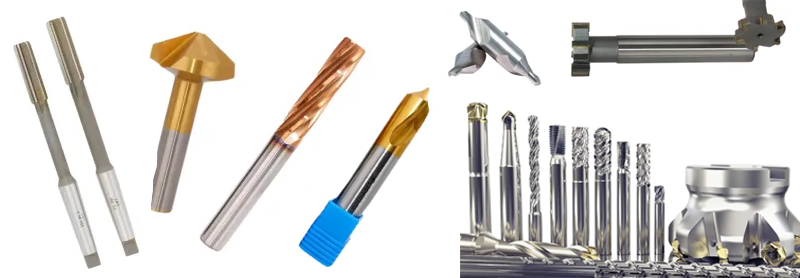
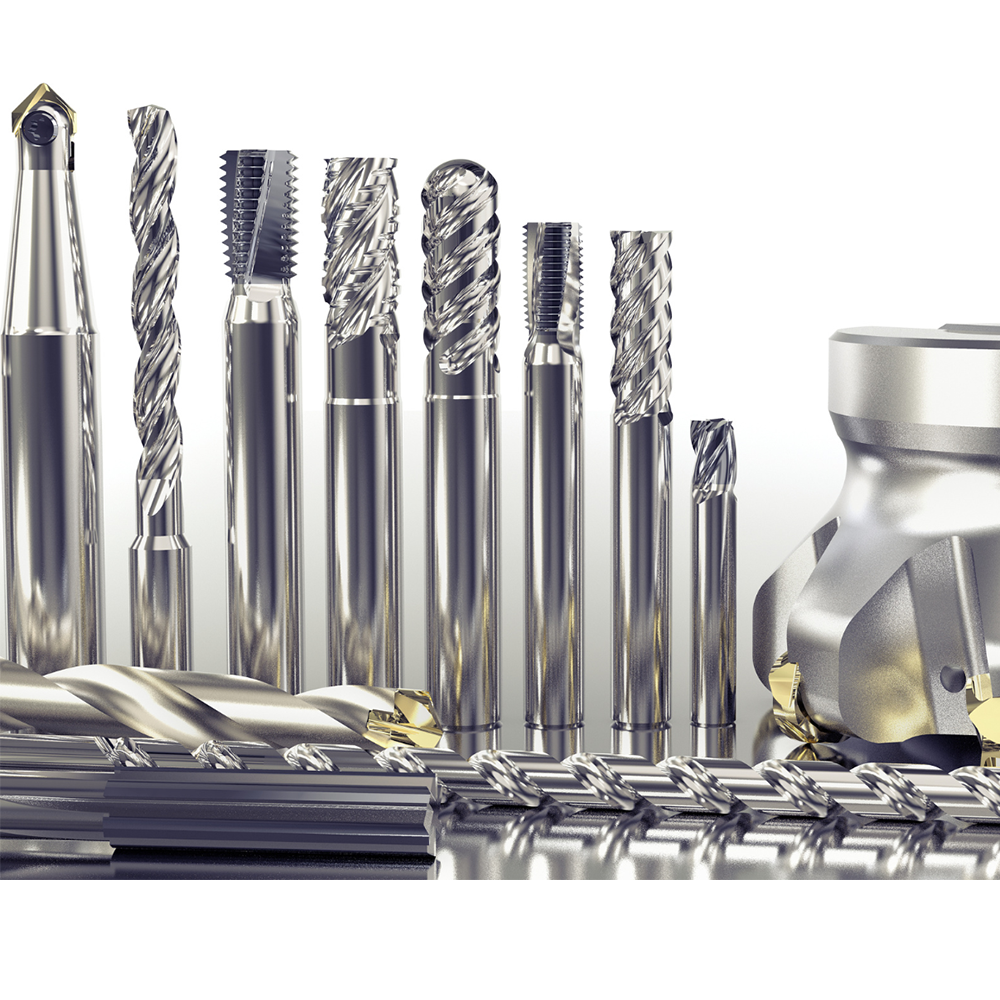
End mills are among the most widely used cutting tools in CNC machining. From roughing to finishing, nearly every operation relies on them. Yet many procurement professionals and machinists struggle with choosing the right one.
In reality, an end mill's performance is determined by multiple technical parameters — flute count, helix angle, edge preparation, and coating system. Understanding these parameters is the key to matching the right end mill to any application.
Flute Count: Not "The More, The Better"
- 2-flute: Large chip gullets for excellent chip evacuation, ideal for sticky materials like aluminum.
- 3-flute: A balanced choice for aluminum and copper alloy machining.
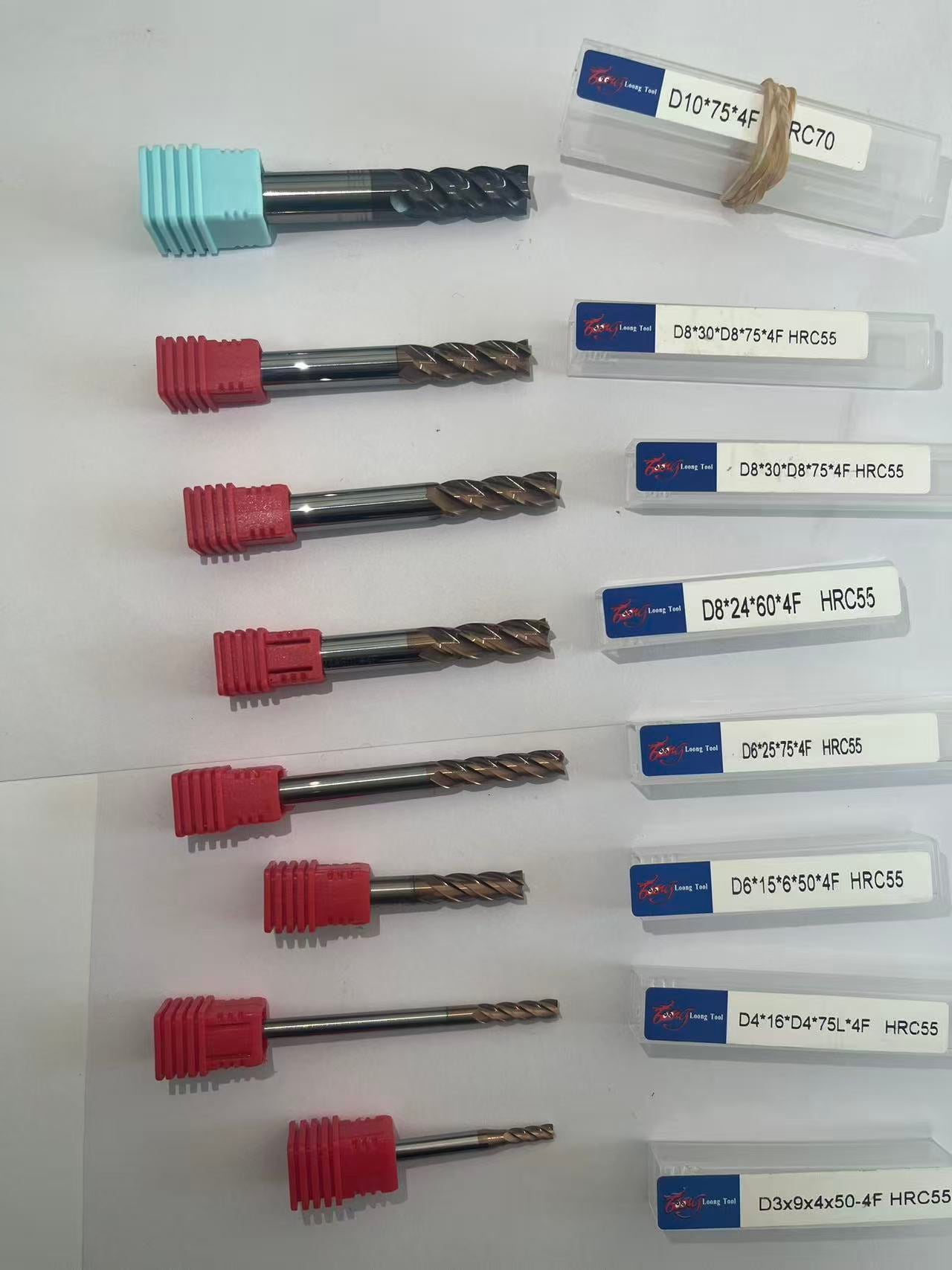
- 4-flute: Higher feed rates and greater edge strength, suited for steel and cast iron.
The basic rule: fewer flutes for softer materials, more flutes for harder materials.
Helix Angle: The Key to Cutting Smoothness
The helix angle is the angle between the cutting edge and the tool axis, typically ranging from 30° to 55°.
- Low helix (30°-35°): Superior tool rigidity, ideal for roughing and heavy material removal.
- High helix (45°-55°): Smoother cutting with less vibration, delivering better surface finish for finishing and thin-wall machining.
Shandong Yunfei's carbide end mills cover helix angles from 35° to 55°, with the technical team recommending the optimal specification based on your material and machine conditions.
Edge Preparation: The Detail That Matters
An untreated cutting edge reveals microscopic serrations under a microscope, prone to chipping and rapid wear. Every Shandong Yunfei end mill undergoes rigorous edge honing before leaving the factory, ensuring the edge is both sharp for efficient cutting and rounded enough to resist chipping.
Coating Systems: Tailored for Every Material
- TiAlN Coating: High-temperature resistant, the go-to choice for steel and stainless steel, especially in dry cutting.
- DLC Coating: Ultra-low friction, prevents aluminum chip adhesion — ideal for high-speed aluminum machining.
- AlTiN Coating: Higher hardness, suited for hardened steels and superalloys.
Conclusion
From flute count to helix angle, from edge preparation to coating selection — an end mill's performance is the result of multiple parameters working in harmony. Understanding these details means smarter tooling choices and higher machining efficiency.
Not sure which end mill is right for you? Contact Shandong Yunfei's technical team today for a free tooling consultation!
 Hot News
 EN
EN