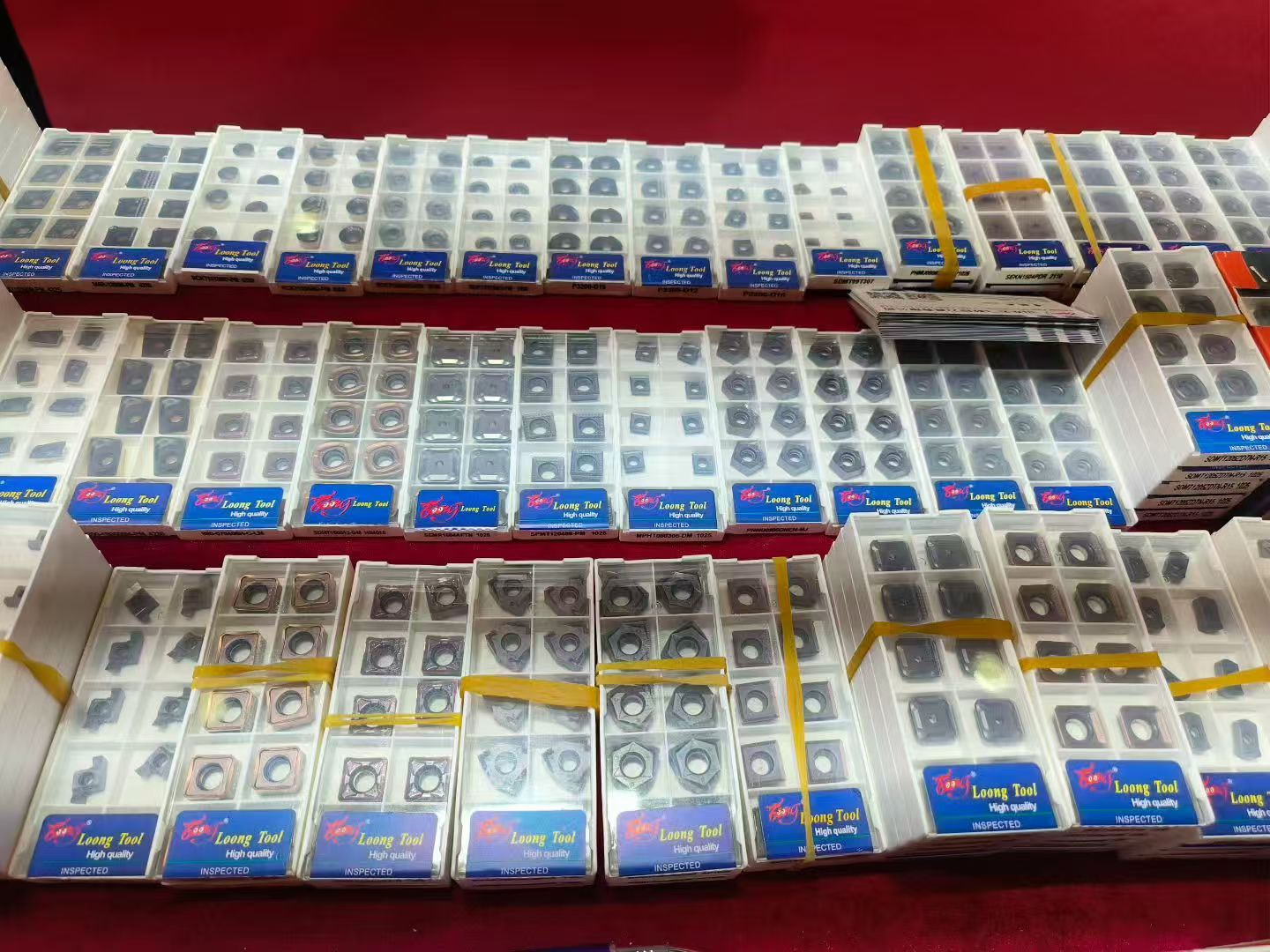
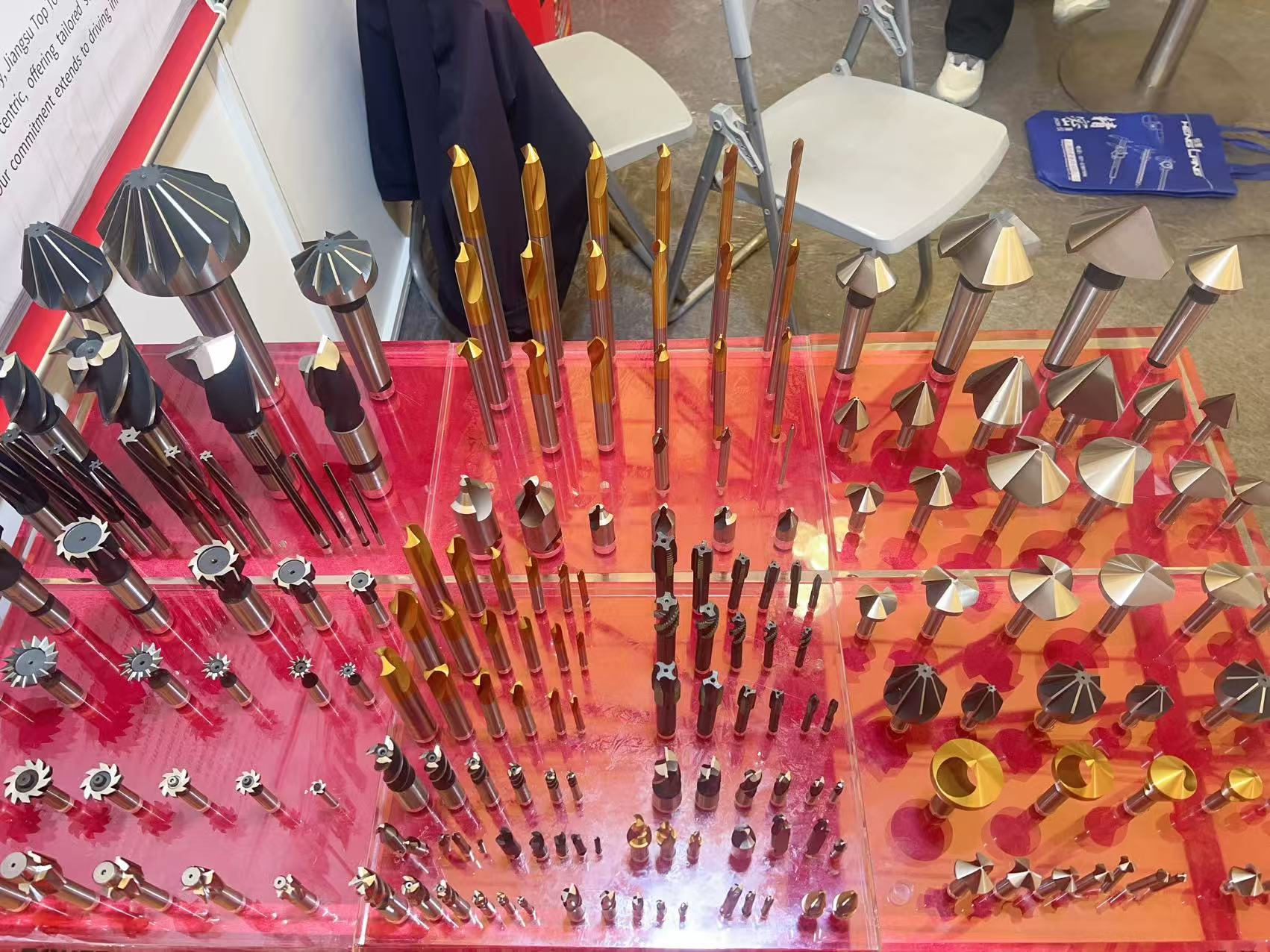
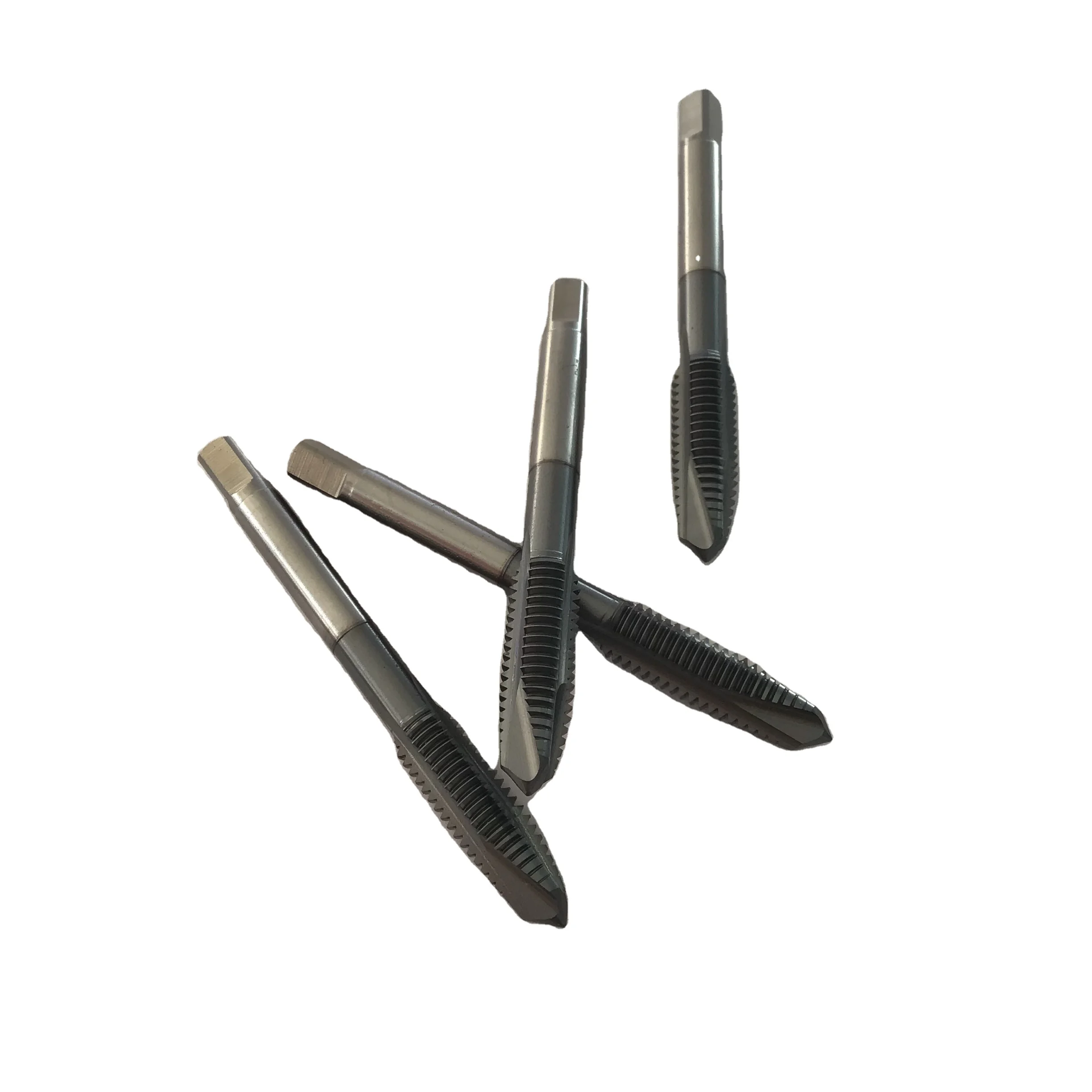
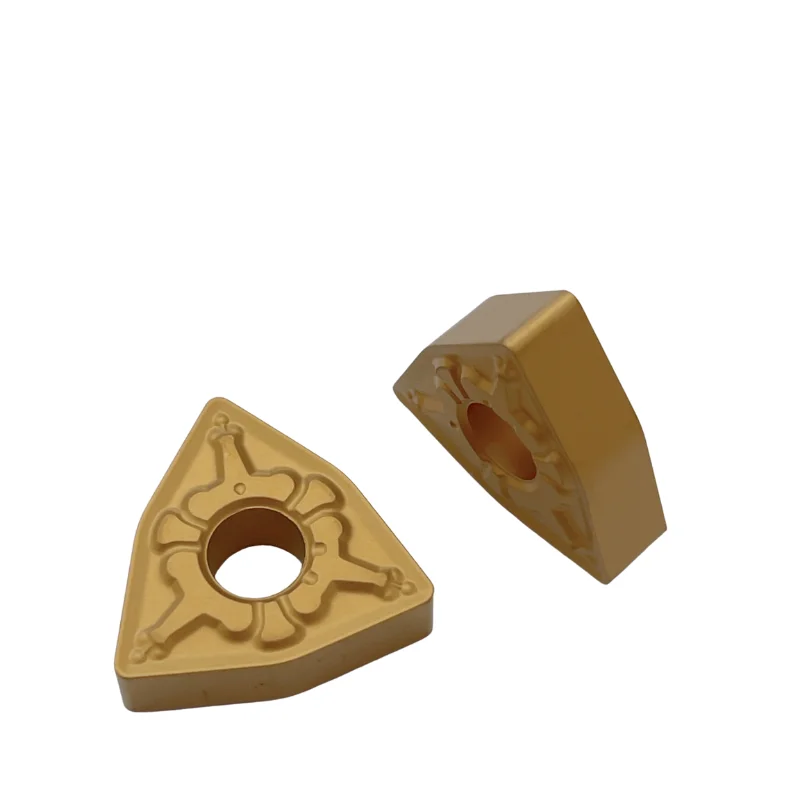
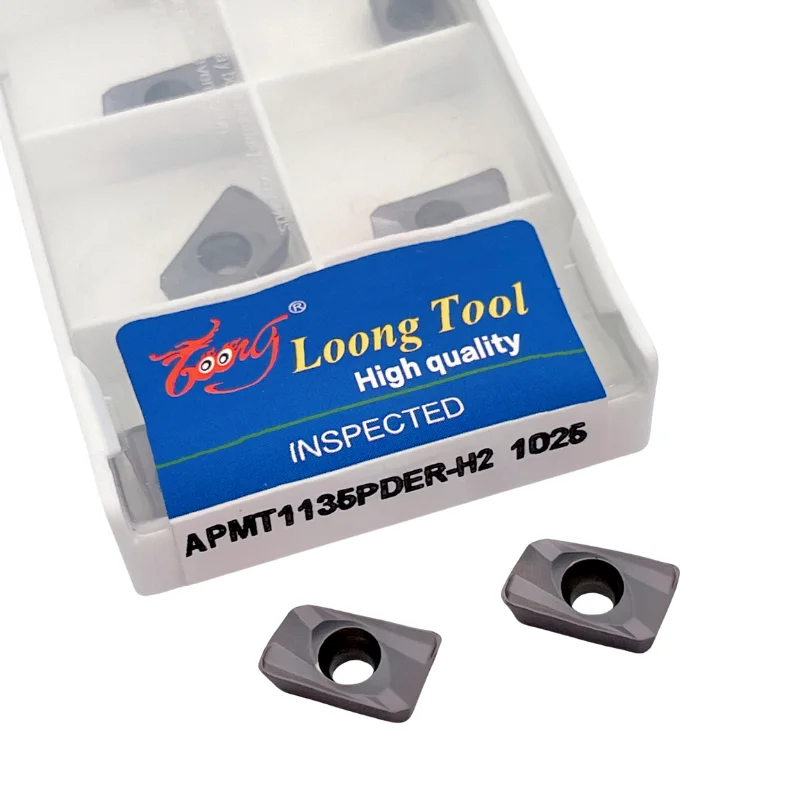
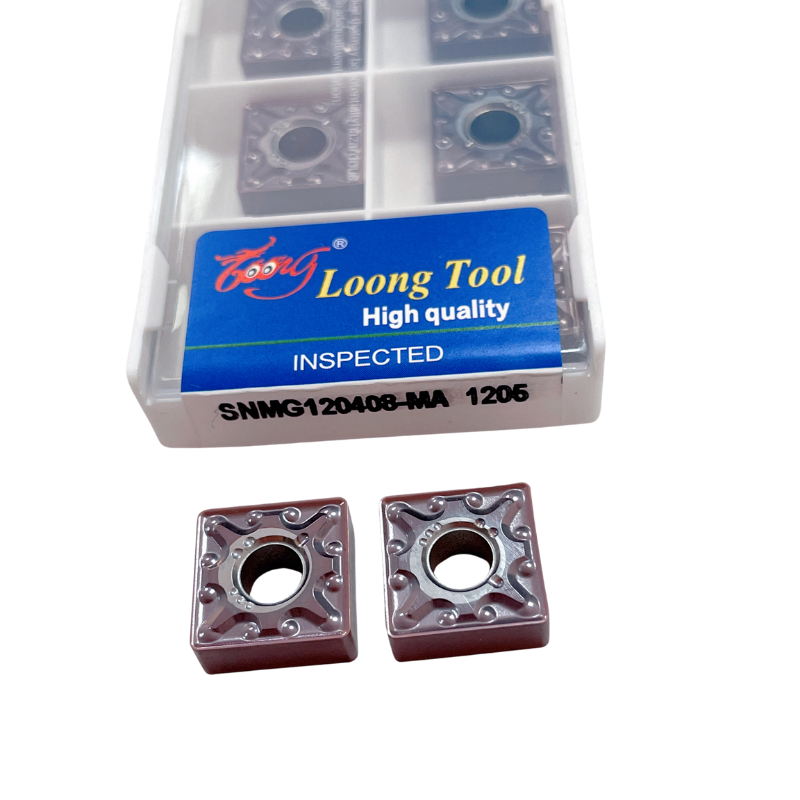
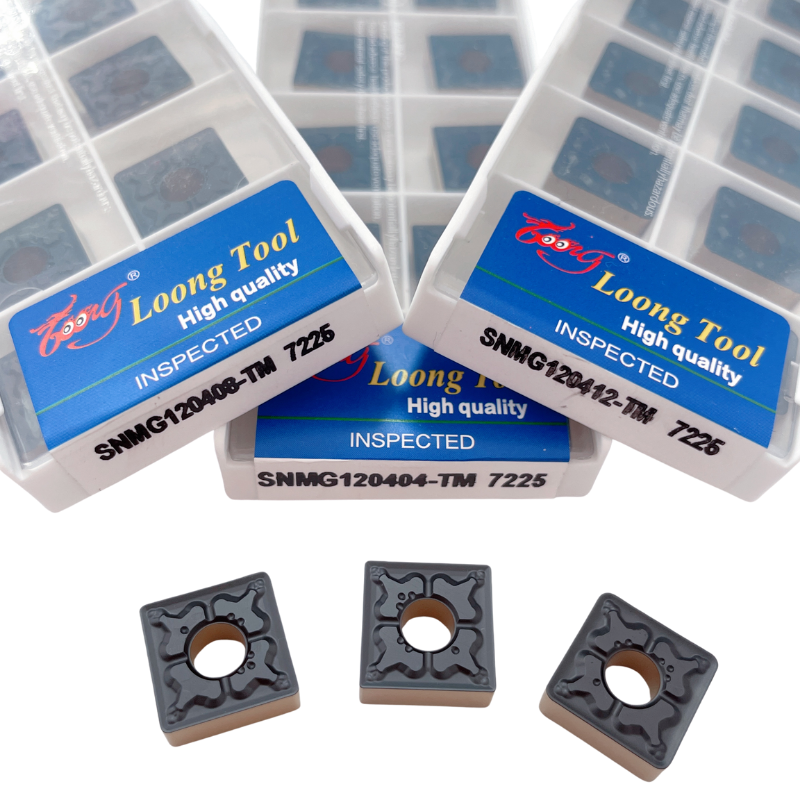
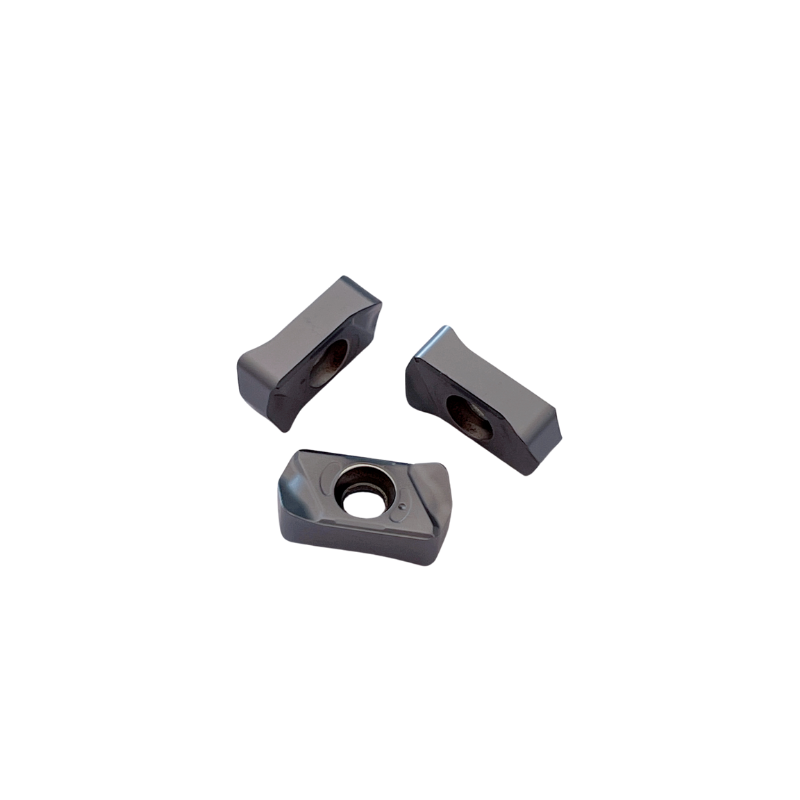
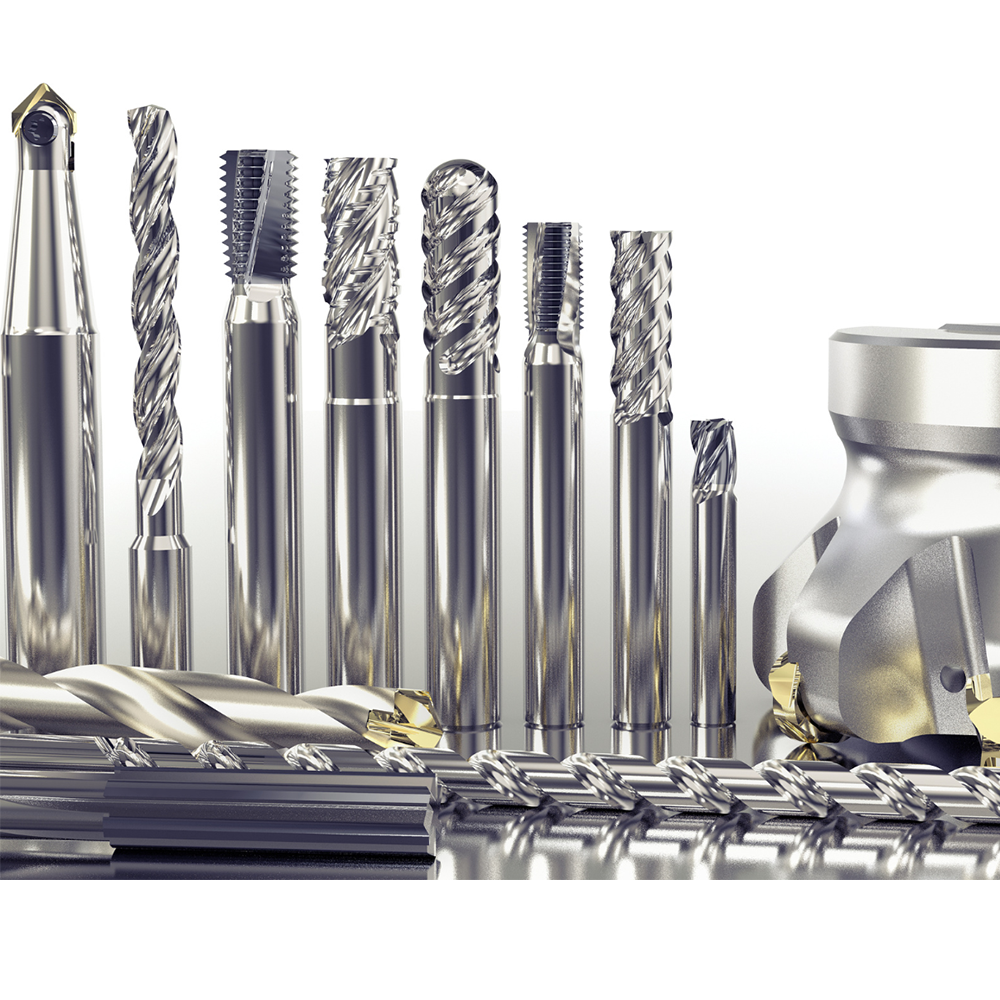
For procurement professionals and end users new to the industry, carbide insert part numbers can look like a cryptic code. In reality, every single insert carries a wealth of technical information — from geometry and substrate grade to coating type and chipbreaker design. Understanding these "codes" means you can quickly identify the perfect insert for your specific machining application.
Part Numbering: Precision in Every Letter and Digit
Carbide insert part numbers follow the ISO standard designation system, where a combination of letters and digits precisely defines the insert's geometry. Take the common round insert "50R6" as an example: "50" refers to the cutting edge length of 50mm, while "R6" indicates a nose radius of 6mm. This combination is widely regarded as the "golden match" for finishing and semi-finishing operations — a larger nose radius effectively distributes cutting forces, reduces vibration, and delivers superior surface finish.
Beyond dimensional parameters, the letters in the part number also encode critical information about the insert's shape (diamond, triangle, square, etc.), clearance angle, and tolerance class. Mastering this coding system allows buyers to pinpoint the exact insert type without endless back-and-forth communication.
Substrate: The "Micro World" of Cemented Carbide
The substrate material defines the "genetic foundation" of an insert. Shandong Yunfei carbide inserts feature an ultra-fine grain cemented carbide substrate, with tungsten carbide (WC) particle sizes refined down to the 0.4μm level. The finer the grain, the higher the hardness and wear resistance — though toughness decreases accordingly. That's why Yunfei's technical team continuously tests and optimizes the balance between hardness and toughness, matching the ideal substrate formulation to different workpiece materials and machining conditions for optimal performance.
Simply put, machining brittle materials like cast iron demands a harder substrate to resist abrasive wear, while machining sticky materials like stainless steel requires greater toughness to prevent edge chipping and thermal cracking.
Coating Technology: The "Invisible Armor"
If the substrate is the "skeleton" of an insert, then the coating is its "armor." Shandong Yunfei inserts utilize mainstream PVD (Physical Vapor Deposition) coating technology, depositing multiple layers of nanoscale thin films on the insert surface. This elevates surface hardness to over HV2800, delivering a dramatic improvement in wear resistance compared to uncoated inserts.
Common coating systems include:
- TiAlN (Titanium Aluminum Nitride): Excellent high-temperature resistance, ideal for high-speed dry cutting. The go-to coating for steel and stainless steel machining.
- AlCrN (Aluminum Chromium Nitride): Higher oxidation resistance temperature, suited for high-speed milling and interrupted cutting under extreme thermal conditions.
- TiCN (Titanium Carbonitride): High hardness with a low friction coefficient, perfect for medium-to-low speed finishing operations that demand superior surface finish.
Different coatings are tailored to different workpiece materials and cutting speeds. Choosing the right coating often boosts machining efficiency far more than simply pushing cutting parameters higher.
Chipbreaker Design: The Hidden "Fluid Dynamics"
Beyond substrate and coating, the chipbreaker geometry plays an equally vital role. During high-speed cutting, uncontrolled chips can wrap around the workpiece or tool, causing secondary cutting, surface scratches, or even safety hazards.
Shandong Yunfei chipbreakers are optimized through fluid dynamics simulation and come in several configurations:
- Heavy-duty chipbreaker: Deeper and wider groove design with maximum chip evacuation space, ideal for high depth-of-cut and high-feed roughing operations.
- Finishing chipbreaker: Shallower and sharper groove profile with minimal cutting force, designed for light-depth finishing passes to achieve the lowest possible surface roughness.
- Universal chipbreaker: A balanced design that兼顾 chip evacuation and cutting stability, suited for semi-finishing and medium cutting parameter applications.
Selecting the right chipbreaker ensures smooth chip evacuation, extends tool life, and significantly improves workpiece surface quality.
Conclusion
From part numbering to substrate grade, from coating selection to chipbreaker design — every carbide insert is the crystallization of materials science, geometric precision, and decades of machining expertise. For procurement professionals and end users, decoding these details means making smarter tooling choices and solving machining challenges more efficiently.
Not sure which insert grade or chipbreaker is right for your application? Contact Shandong Yunfei's technical team today for a free tooling consultation and cutting parameter optimization!
 Hot News
 EN
EN