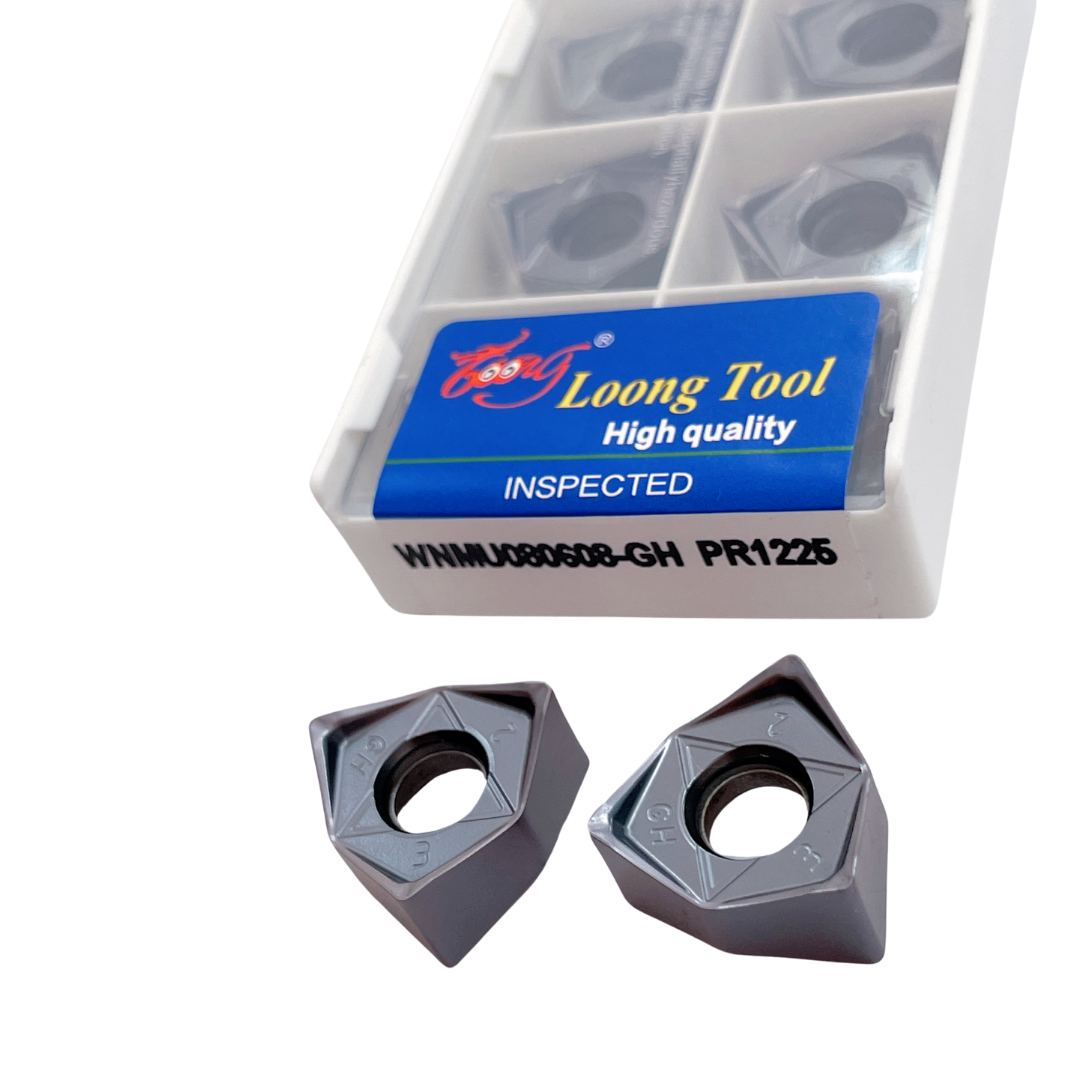
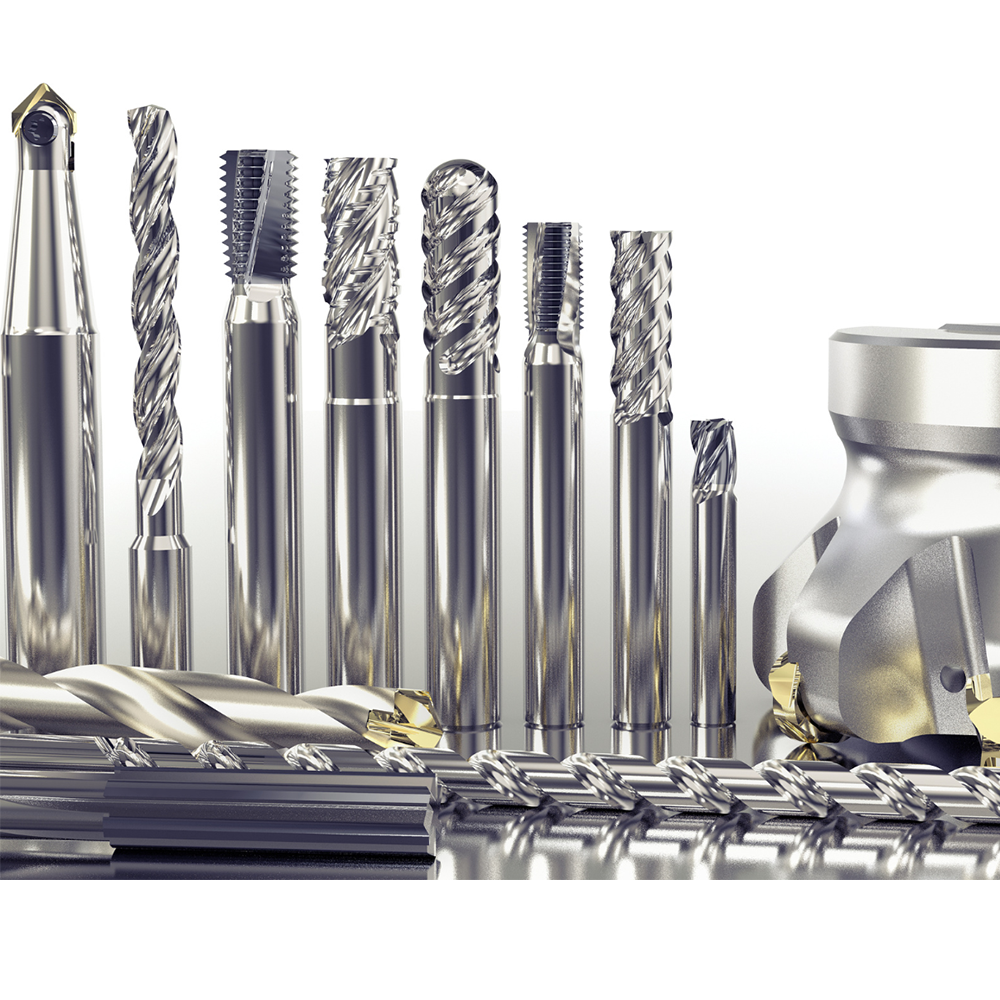
In the world of CNC machining, unexpected tool breakage is more than just an inconvenience—it leads to costly machine downtime, scrapped workpieces, and delayed deliveries. Understanding why tools fail is the first step toward optimizing your machining process and protecting your bottom line.
Here are the top 5 common causes of tool breakage and practical tips to prevent them:
1. Parameter Overload (Excessive Cutting Load)
Pushing a tool beyond its limits with excessive depth of cut or feed rates is a primary cause of failure. When cutting parameters are too aggressive, the cutting load exceeds the tool's capacity, causing brittle materials like carbide to chip or snap instantly.
Solution: Always refer to the recommended speed and feed charts, and optimize parameters based on the specific material being machined.
2. Chip Clogging and Poor Evacuation
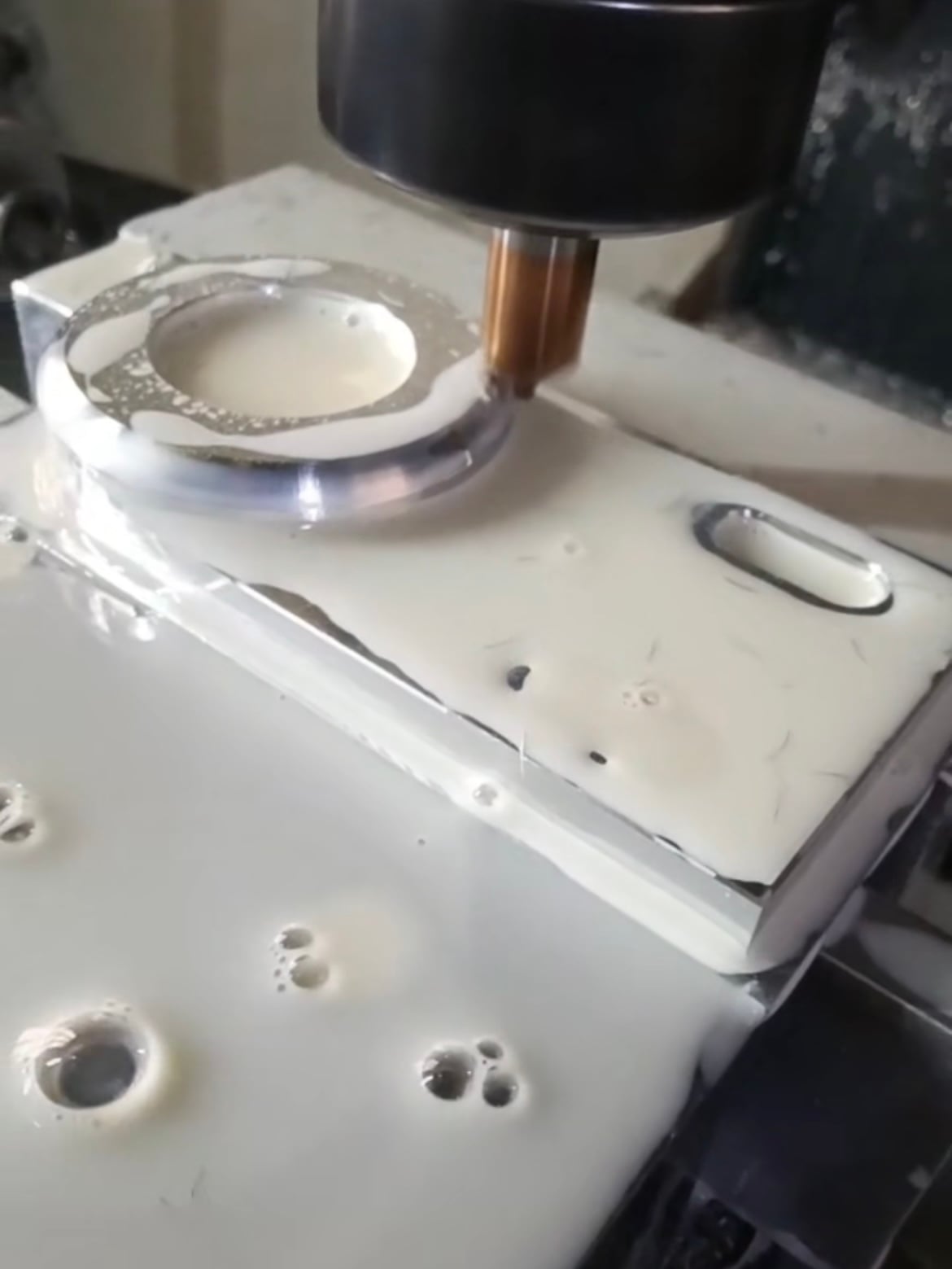
When chips are not evacuated efficiently, they can accumulate and recut, leading to a phenomenon known as "chip packing." This buildup creates immense pressure around the cutting edge, causing the tool to overheat and break under sudden, extreme stress.
Solution: Ensure your coolant system is optimized for chip evacuation, and consider using tools with specialized coatings or geometries designed for better chip flow.
3. Improper Tool Clamping and Runout
A clean and precise tool holding system is critical. Contamination on the tool holder's taper or collet—such as dust, dirt, or metal shavings—can cause significant runout (wobble). This imbalance subjects the tool to severe vibration and uneven cutting forces, leading to fatigue failure over time.
Solution: Regularly clean and inspect your collets and tool holders to ensure a secure, concentric grip on the tool.
4. Excessive Overhang and Lack of Rigidity
Using a tool that is too long for the application (excessive overhang) drastically reduces the rigidity of the machining setup. This lack of support makes the tool prone to deflection and chatter (resonance), which can create hidden micro-cracks that eventually cause the tool to snap.
Solution: Always use the shortest tool length and largest possible diameter for the job to maximize stability and minimize vibration.
5. Cutting with Dull Tools
Attempting to cut with a worn-out tool is a false economy. As a tool dulls, the cutting edge loses its sharpness, causing friction and cutting resistance to skyrocket. This often leads to the tool "digging in" or breaking, especially when machining hardened materials.
Solution: Implement a proactive tool life management system and replace tools at the first sign of significant wear.
Conclusion
While tool wear is an inevitable part of CNC machining, catastrophic tool failure is often preventable. By standardizing your machining processes, optimizing cutting parameters, and prioritizing regular machine maintenance, you can significantly reduce tool breakage, extend tool life, and maintain high production efficiency.
 Hot News
 EN
EN